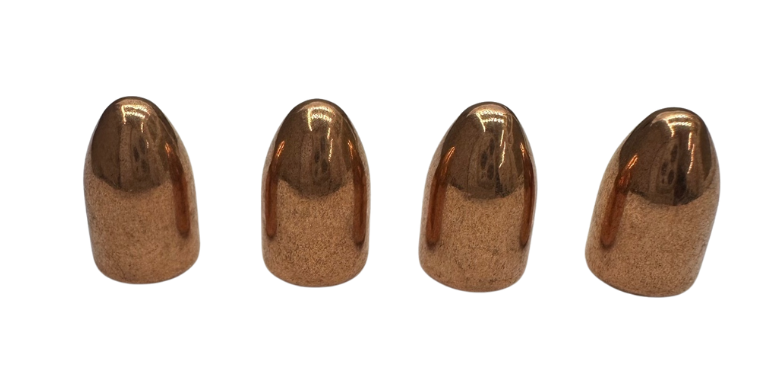
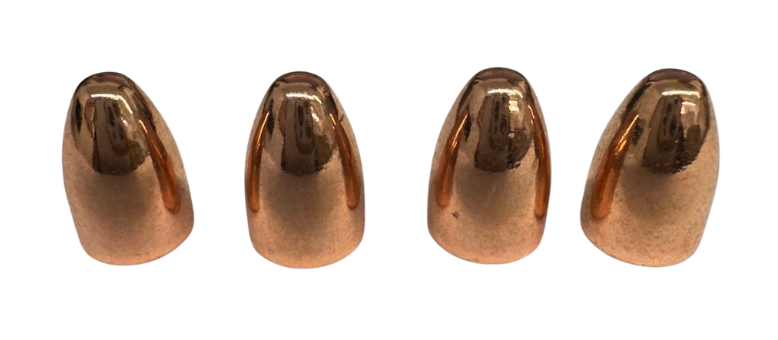
The best bullet weight for 44 depends on your goal. Lighter bullets give flatter, faster shooting for target and varmint work, while heavier bullets carry more energy for larger game and wind. Match the bullet to the job and your barrel twist.
This guide covers how bullet weight and type change the way 44 performs, and how to choose for target, hunting or defense.
How bullet weight changes 44 performance
Within a caliber, lighter bullets generally leave the barrel faster and shoot flatter up close, while heavier bullets resist wind and retain energy downrange. Your barrel twist rate also decides which weights stabilize, so heavy for caliber bullets need a faster twist.
Bullet type matters as much as weight
Full metal jacket bullets are economical for target practice. Hollow points and soft points expand for defense and hunting. Bonded and controlled expansion bullets hold together on larger game. Pick the construction that fits the target.
Picking a 44 bullet for your use
For paper and plinking, a quality FMJ or plated bullet is hard to beat on cost. For deer sized game, a soft point or bonded bullet in a mid to heavy weight is a safe choice. Always build your loads from current published load data supplied by the powder and bullet makers, start at the low end, and work up while watching for pressure signs. This article is general education, not a load recipe.
44 bullets we carry
You can source the parts for this round directly from us. Every item ships from our shop, and our brass is sorted and inspected before it goes out.
So what is the best bullet weight for 44?
There is no single answer, only the right weight for your purpose and barrel. Lighter for speed and target, heavier for energy and game, always within what your twist rate stabilizes.
How a finished cartridge comes together
Reloading is less complicated than it looks. You start with a clean, inspected case, bring it back to size, fit a new primer, add the right amount of powder, and seat a bullet. The press does the mechanical work while you supply the care and the measurements. Work in small batches when you are learning, and keep your bench tidy so nothing gets missed.
What to watch out for
Watch for split necks, loose primer pockets, and any charge that does not match your data. Keep your work area clear, label everything, and never let a distraction interrupt the powder step. The reloaders who get the best results are simply the ones who are the most consistent.
Why reload with us
Our brass is collected from ranges, sorted several times by machine and by hand, tumble cleaned, and inspected before it ships. We add extra weight to every brass order so you get your money’s worth, and we are large enough to stock what you need while small enough to care. Browse the components above and build your next batch with confidence.
Frequently asked questions
What bullet weight is best for 44 target shooting?
A mid weight match or FMJ bullet usually balances accuracy and cost well.
What bullet is best for 44 hunting?
A soft point or bonded bullet in a mid to heavy weight for controlled expansion.
Does barrel twist affect 44 bullet choice?
Yes. Heavier longer bullets need a faster twist to stabilize.
Are plated bullets good for 44?
Plated bullets are a clean, affordable choice for target and practice loads.
Where can I buy 44 bullets?
We stock a range of projectiles for this caliber. See the items linked above.
Keep reading and shopping