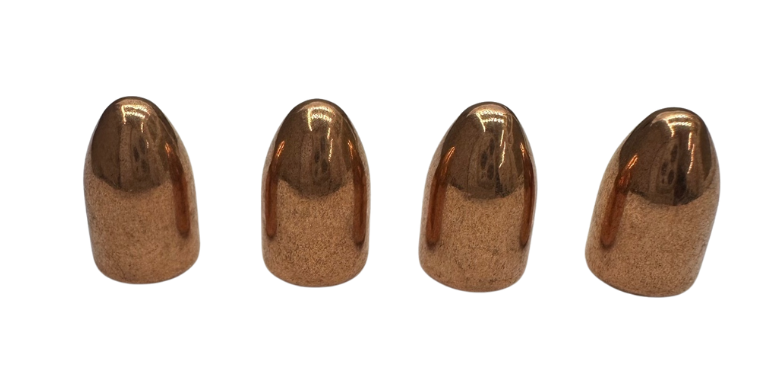
To reload 9mm Luger you need a 9mm Luger die set, which at minimum includes a sizing die and a seating die, plus a shell holder that fits the case. The dies resize your fired brass, seat the new bullet, and apply a crimp if needed.
This guide explains what each 9mm Luger die does, the difference between common die types, and which set to pick for your goals.
What each 9mm Luger die does
The sizing die returns the fired case to the correct dimensions and removes the spent primer. The seating die presses the new bullet to the right depth. Some sets add a dedicated crimp die for a more secure hold under recoil.
Carbide and steel 9mm Luger dies
For straight wall cases, carbide sizing dies let you size without lubricant, which saves a step. Bottleneck rifle cases still need case lube regardless of die material. Pick the set that matches your case type.
Setting up your 9mm Luger dies
Adjust the sizing die so the case chambers reliably without overworking it, then set seating depth to your load data. Always build your loads from current published load data supplied by the powder and bullet makers, start at the low end, and work up while watching for pressure signs. This article is general education, not a load recipe.
9mm Luger dies and components
We stock the components to build this round yourself. Every item ships from our shop, and our brass is sorted and inspected before it goes out.
So what dies do you need for 9mm Luger?
A 9mm Luger die set with a sizing die and a seating die, matched to your case type, plus the right shell holder. Buy quality once and it serves you for years.
How a finished cartridge comes together
Reloading is less complicated than it looks. You start with a clean, inspected case, bring it back to size, fit a new primer, add the right amount of powder, and seat a bullet. The press does the mechanical work while you supply the care and the measurements. Work in small batches when you are learning, and keep your bench tidy so nothing gets missed.
Common mistakes to avoid
The errors that trip up new reloaders are nearly always avoidable. Do not mix headstamps when you are chasing accuracy, do not reuse cracked or loose cases, and never guess at a powder charge. Keep only one powder on the bench at a time so there is no chance of mixing them up, and double check your scale against a known weight. Careful habits keep reloading both safe and rewarding.
Why reload with us
Our brass is collected from ranges, sorted several times by machine and by hand, tumble cleaned, and inspected before it ships. We add extra weight to every brass order so you get your money’s worth, and we are large enough to stock what you need while small enough to care. Browse the components above and build your next batch with confidence.
Frequently asked questions
How many dies are in a 9mm Luger set?
Usually two or three: a sizer, a seater, and sometimes a separate crimp die.
Do I need carbide dies for 9mm Luger?
For straight wall cases carbide lets you skip case lube. Bottleneck cases need lube either way.
Are 9mm Luger dies universal across brands?
Dies are caliber specific but generally interchangeable across presses that use standard threads.
Do I need a crimp die for 9mm Luger?
A crimp helps for cartridges that see heavy recoil or feed from a magazine. Many sets include one.
Where can I buy 9mm Luger dies?
We carry die sets for this caliber. See the items linked above.
Keep reading and shopping