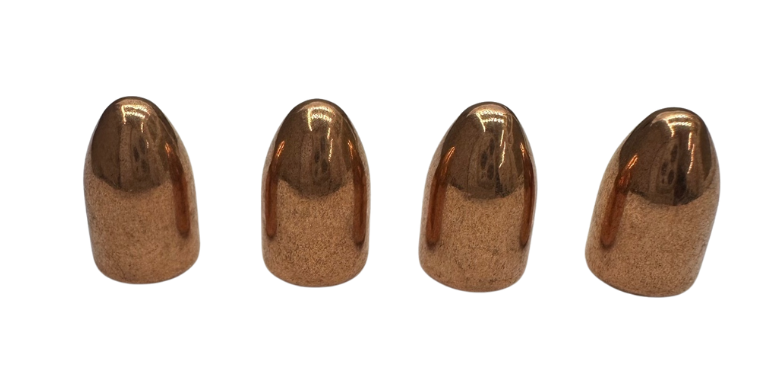
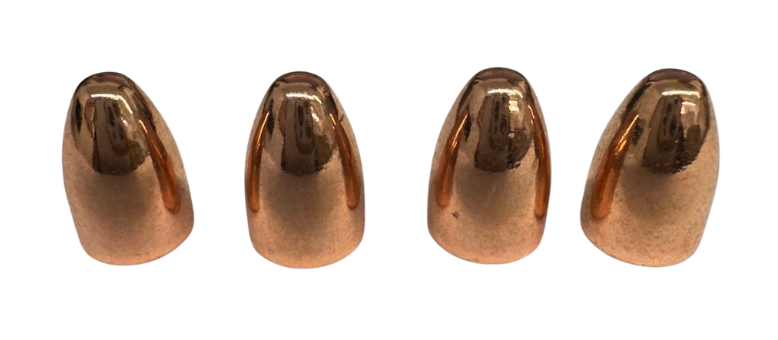
Reloading 357 Magnum is usually worth it if you shoot it regularly. You save the most by reusing your brass, you can tune the load to your firearm for better accuracy, and you keep shooting when factory ammo is scarce.
Here is an honest look at the cost, the effort, and the payoff of loading your own 357 Magnum.
Where the savings come from
The brass is the most expensive reusable part of a cartridge. Buy once fired 357 Magnum brass and load it several times and the cost per round drops well below factory. The more you shoot, the faster your gear pays for itself.
The other reasons people reload 357 Magnum
Beyond cost, handloaded 357 Magnum can be tuned for accuracy in your specific rifle or pistol, and reloading keeps you shooting through supply shortages. Many shooters also simply enjoy building their own ammunition.
Start reloading 357 Magnum with these components
Here is what we carry to load this cartridge. Every item ships from our shop, and our brass is sorted and inspected before it goes out.
So is 357 Magnum worth reloading?
If you shoot 357 Magnum with any regularity, yes. The savings, the accuracy, and the independence add up quickly once your brass goes through a few cycles.
The reloading process in plain steps
If you are new to this, the order of operations is simple once you see it. Inspect and clean your brass, resize each case and remove the spent primer, seat a fresh primer, drop a measured powder charge, seat the new bullet to the correct depth, and apply a crimp if your load calls for one. Each step has its own tool, and after a few sessions the rhythm becomes second nature. The single most important habit is to measure every powder charge and never rush.
What to watch out for
Watch for split necks, loose primer pockets, and any charge that does not match your data. Keep your work area clear, label everything, and never let a distraction interrupt the powder step. The reloaders who get the best results are simply the ones who are the most consistent.
Getting started with Northeast Reloading
We have served the reloading community since 2012, and we built this guide to help you shoot more for less. We sell the components, not loaded ammunition, so you stay in control of every round you build. If you have a question about any of the parts above, call the shop and a real person will help you sort it out.
Frequently asked questions
How much can I save reloading 357 Magnum?
Savings vary, but reusing brass several times typically cuts your cost per round well below factory ammo.
Is reloading 357 Magnum hard for a beginner?
No. With a die set, a manual and careful habits, most people learn quickly.
How long does it take to reload 357 Magnum?
After setup, a steady pace on a single stage press produces a box in well under an hour.
Is reloaded 357 Magnum accurate?
Often more accurate than factory, because you can tune the load to your firearm.
What do I need to start?
Brass, bullets, a die set, powder, primers and published load data. See the linked components.
Keep reading and shopping