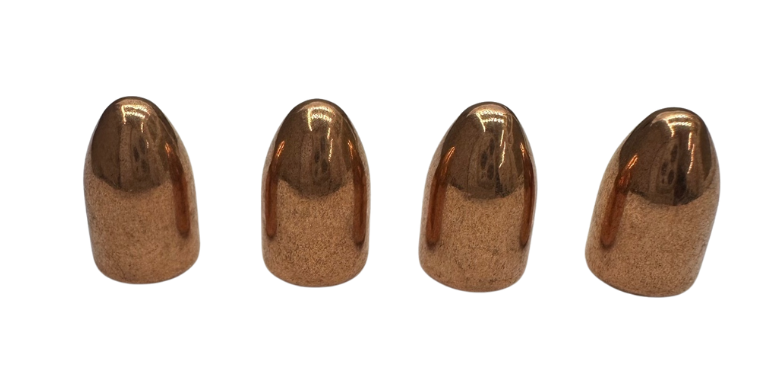
You can reload Brass brass many times, often five to ten loadings or more for standard pressure loads, as long as you inspect each case and resize it correctly. The case is the reusable heart of the cartridge, so caring for your Brass brass is what makes reloading pay off.
Here we explain how long Brass brass lasts, what wears it out, the warning signs that a case is done, and where to get clean sorted Brass brass to start with.
What wears out Brass brass
Every firing and resizing works the metal a little harder until it eventually gets brittle. The usual end points are a split neck or mouth, a loose primer pocket that no longer grips a primer, or a bright ring near the base that warns of case separation. How hot you load matters too, since higher pressure shortens case life.
How to make your Brass brass last
Load to sensible pressures, set your sizing die so it works the case no more than needed, keep the brass clean so grit does not score it, and sort by headstamp. Always build your loads from current published load data supplied by the powder and bullet makers, start at the low end, and work up while watching for pressure signs. This article is general education, not a load recipe.
Buying once fired Brass brass
Starting with quality brass saves you money and headaches. Our once fired Brass brass is sorted mechanically and by hand, tumble cleaned, and inspected so you are not paying for damaged or mixed cases.
So how many times can you reload Brass brass?
Plan on five to ten loadings or more with moderate loads and good care, and let inspection rather than a counter tell you when a case is finished. Retire anything cracked, split or loose and you will shoot safely for a long time on the same Brass brass.
The reloading process in plain steps
If you are new to this, the order of operations is simple once you see it. Inspect and clean your brass, resize each case and remove the spent primer, seat a fresh primer, drop a measured powder charge, seat the new bullet to the correct depth, and apply a crimp if your load calls for one. Each step has its own tool, and after a few sessions the rhythm becomes second nature. The single most important habit is to measure every powder charge and never rush.
Mistakes that cost accuracy and safety
Most problems come from skipping inspection or rushing. Sort your brass, retire anything damaged, and confirm every charge weight. Keep detailed notes so you can repeat a load that works and back away from one that does not. A few minutes of discipline protects you and your firearm.
Getting started with Northeast Reloading
We have served the reloading community since 2012, and we built this guide to help you shoot more for less. We sell the components, not loaded ammunition, so you stay in control of every round you build. If you have a question about any of the parts above, call the shop and a real person will help you sort it out.
Frequently asked questions
How do I know when Brass brass is worn out?
Retire any case with a split, a crack, a loose primer pocket, or a shiny ring near the base.
Is once fired Brass brass safe to reload?
Yes. Inspect each case, confirm it is Boxer primed, resize and load from published data.
Should I clean Brass brass before reloading?
Yes, so grit does not damage your dies and you can inspect each case clearly.
Does loading hot reduce Brass brass life?
Yes. Higher pressure and plus type loads wear brass faster than standard target loads.
Where can I buy Brass brass?
We sell sorted, cleaned, inspected once fired brass ready to load. See the items linked above.
Keep reading and shopping