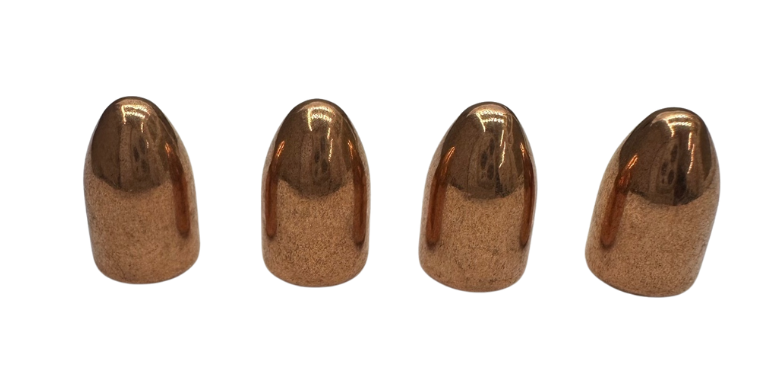
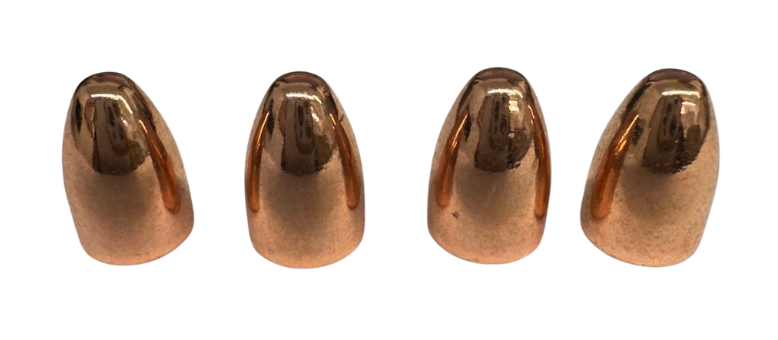
To reload 44 you need four things: clean cases, the right bullets, a set of dies, and current published load data. 44 is a cartridge our customers reload regularly here at Northeast Reloading. Below is the plain English rundown of the components, what to look for, and the exact items we stock so you can build accurate 44 ammunition at home.
This guide walks through everything that goes into a loaded round of 44, in the order you would actually work through it. We cover brass, bullets, dies and the basic process, then list the 44 components you can order from us.
What goes into a reloaded 44 cartridge
A finished cartridge is four parts working together: the brass case that holds everything, the primer that lights the charge, the powder that drives the bullet, and the bullet itself. When you reload 44, you reuse the case, fit a fresh primer, add a measured powder charge, and seat a new bullet. Always build your loads from current published load data supplied by the powder and bullet makers, start at the low end, and work up while watching for pressure signs. This article is general education, not a load recipe.
Choosing brass and bullets for 44
Start with quality brass. Sorted once fired 44 brass gives you most of the savings of reloading while shooting just as well as new for most uses. Inspect each case for cracks and loose primer pockets, and confirm it is Boxer primed so it can be reloaded. For bullets, match the weight and type to your goal, lighter and faster for target and varmints, heavier and tougher for larger game. We carry a range of 44 projectiles to cover both.
The dies and gear you need for 44
A 44 die set resizes the fired case, seats the new bullet, and applies any crimp. Add a scale, a way to clean your brass, and a reliable load manual and you have everything to get started. Buy the die set once and it lasts for years of reloading.
The 44 components we carry
Here is what we carry to load this cartridge. Every item ships from our shop, and our brass is sorted and inspected before it goes out.
So what do you need to reload 44?
Clean Boxer primed 44 brass, bullets matched to your purpose, a 44 die set, and published load data. Get those four right, work up your load carefully, and you can produce 44 ammunition that is more accurate and far cheaper than factory.
How a finished cartridge comes together
Reloading is less complicated than it looks. You start with a clean, inspected case, bring it back to size, fit a new primer, add the right amount of powder, and seat a bullet. The press does the mechanical work while you supply the care and the measurements. Work in small batches when you are learning, and keep your bench tidy so nothing gets missed.
Mistakes that cost accuracy and safety
Most problems come from skipping inspection or rushing. Sort your brass, retire anything damaged, and confirm every charge weight. Keep detailed notes so you can repeat a load that works and back away from one that does not. A few minutes of discipline protects you and your firearm.
Why reload with us
Our brass is collected from ranges, sorted several times by machine and by hand, tumble cleaned, and inspected before it ships. We add extra weight to every brass order so you get your money’s worth, and we are large enough to stock what you need while small enough to care. Browse the components above and build your next batch with confidence.
Frequently asked questions
Is it cheaper to reload 44 than buy it?
For most shooters yes, especially once you reuse your 44 brass several times. The brass is the costly part, so loading it more than once is where the savings come from.
What brass is best for 44?
Clean, sorted, once fired 44 brass from a trusted source is ideal for general use. Inspect each case and confirm it is Boxer primed.
What bullet should I use for 44?
Match the bullet to your goal. Lighter bullets suit target and varmint work, heavier bonded or soft point bullets suit larger game.
Do I need special dies for 44?
Yes, a 44 specific die set. It resizes the case, seats the bullet and crimps if needed.
Is reloaded 44 safe?
It is when you follow published load data, inspect your brass, and work up carefully. Always build your loads from current published load data supplied by the powder and bullet makers, start at the low end, and work up while watching for pressure signs. This article is general education, not a load recipe.
Keep reading and shopping