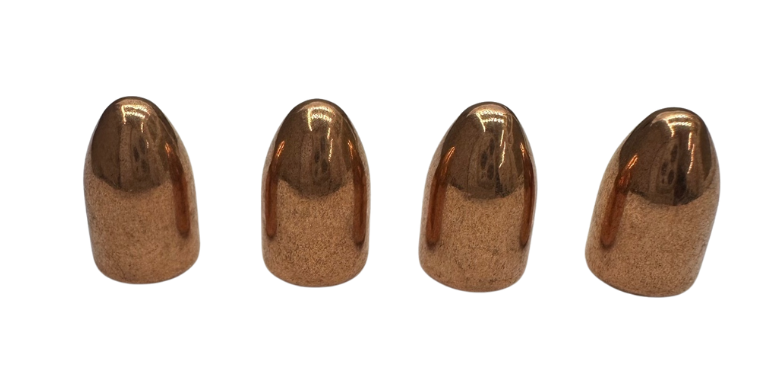
The 38 Special was introduced in 1898 to 1899, designed by Smith and Wesson. It replaced the underperforming 38 Long Colt, lengthening the case for more powder and a heavier bullet after the older round disappointed in US service. Knowing that story makes every round you load yourself a little more meaningful, and it explains why the cartridge still earns a place on the bench today.
This is the short, honest history of the 38 Special, where it came from, the problem it was built to solve, and why it endures.
Where the 38 Special came from
Every cartridge is born to solve a problem. It replaced the underperforming 38 Long Colt, lengthening the case for more powder and a heavier bullet after the older round disappointed in US service. That clear purpose is the reason Smith and Wesson shaped it the way they did, and it set the character the round still carries.
The detail worth knowing
Despite the name, it fires a .357 inch bullet, the very same diameter as the 357 Magnum that was later built on a lengthened 38 Special case. Small facts like that are what turn a box of components into a connection with a long tradition of shooting and handloading.
Why it still matters
A cartridge survives when it keeps doing its job and components stay easy to find. The 38 Special is still loaded every day, and reloading it yourself is the most direct way to take part in that history while saving money.
What the history means for reloaders today
History is not just trivia at the bench. The reason the 38 Special is so easy and affordable to reload is the very popularity that history created. Decades of demand mean brass is plentiful, bullet choices are wide, and load data is well established and tested. A cartridge with this kind of track record is one of the safest places for a new reloader to start, because so many people have walked the path before you and documented what works.
Honoring the design at the bench
The smartest way to respect a proven cartridge is to load it the way it was meant to be loaded. Start with clean, inspected 38 Special brass, match your bullet to your purpose, follow published data from the powder and bullet makers, and work up carefully. The 38 Special rewards consistency, and a careful handload often shoots better than factory ammunition because you can tune it to your own firearm. Always treat this as general education and lean on current published load data, not a recipe from a story.
Reload it yourself
We carry the brass, bullets and dies for the 38 Special so you can build your own. See the full lineup on our 38 Special reloading guide and shop 38 Special components.
So what is the story of the 38 Special?
It appeared in 1898 to 1899, it solved a real problem, and it stuck around because it kept earning its keep. That is a cartridge worth loading well.
Frequently asked questions
When was the 38 Special introduced?
In 1898 to 1899, designed by Smith and Wesson.
Why was the 38 Special created?
It replaced the underperforming 38 Long Colt, lengthening the case for more powder and a heavier bullet after the older round disappointed in US service.
Is the 38 Special still made today?
Yes, and components for reloading it remain widely available, including from us.
What is a standout fact about the 38 Special?
Despite the name, it fires a .357 inch bullet, the very same diameter as the 357 Magnum that was later built on a lengthened 38 Special case.
Can I reload the 38 Special at home?
Yes. With the correct brass, bullets, a 38 Special die set and published load data you can build your own.