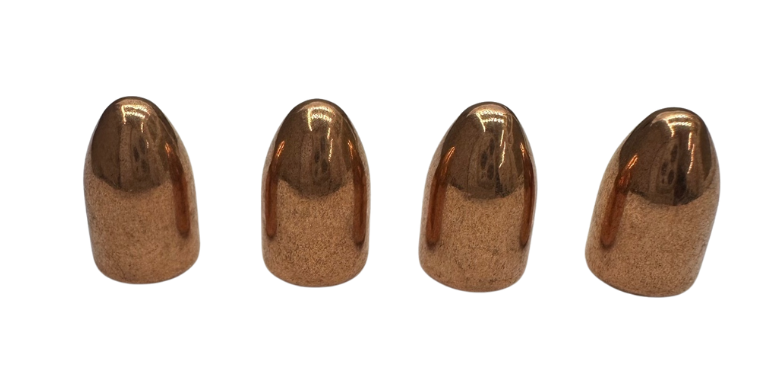
Tiny But Mighty: 9 Factors That Make the .380 Hollowpoint Ideal for Concealed Carry
The .380 ACP (Automatic Colt Pistol) cartridge, while often overshadowed by more powerful calibers, maintains a significant presence in the concealed carry market. Its characteristics make it a viable option for individuals seeking a balance of manageable recoil, compact firearm size, and adequate terminal performance for self-defense. This article explores nine factors contributing to the .380 hollow-point’s suitability for concealed carry, providing a factual overview for the discerning reader.
Speaking of small packages packing a punch, we deliver massive value and top-tier components to keep your .380 fed. Check out our ready-to-ship inventory at nereloading.com or call us at 973-931-1399.
Understanding the .380 ACP Cartridge
The .380 ACP, also known as 9x17mm Browning, 9mm Short, or 9mm Kurz, was designed by John Browning and introduced by Colt in 1908. It is a rimless, straight-walled pistol cartridge with a common bullet diameter of 9mm, similar to the 9x19mm Parabellum, but with a shorter case and less powder. This design results in lower muzzle energy and velocity compared to its larger 9mm brethren.
Ballistic Characteristics
Typical .380 ACP hollow-point loads propel bullets weighing between 85 and 100 grains at velocities generally ranging from 900 to 1,050 feet per second (fps). This translates to muzzle energies between 150 and 250 foot-pounds (ft-lbs). While these figures are lower than those of larger cartridges, advancements in bullet technology, particularly in hollow-point designs, have significantly improved the terminal performance of the .380 ACP. Modern hollow-point bullets are designed to expand reliably upon impact, creating a larger wound channel and increasing the likelihood of incapacitation.
Historical Context
Historically, the .380 ACP was considered a marginal cartridge for self-defense due to its limited penetration and unreliable expansion of older bullet designs. However, the development of modern jacketed hollow-point (JHP) bullets with better expansion capabilities has redefined its viability. This evolution mirrors the broader trend in ammunition technology, where design innovations compensate for inherent caliber limitations.
Manageable Recoil and Shooter Comfort
One of the primary advantages of the .380 ACP for concealed carry is its relatively low recoil. This characteristic is particularly important for individuals who are new to shooting, have smaller hands, or experience difficulty managing the recoil of more powerful cartridges.
Reduced Felt Recoil
The lesser powder charge and lighter bullets of the .380 ACP contribute to a significantly reduced felt recoil compared to cartridges like the 9mm Parabellum or .40 S&W. This allows for more comfortable practice sessions and, crucially, better shot placement under stress. Imagine attempting to deliver precise surgical cuts with a scalpel; excessive shaking hands would undermine the effort. Similarly, excessive recoil can hinder accurate follow-up shots.
Improved Training and Proficiency
Lower recoil facilitates more consistent and effective training. Shooters are less likely to flinch or develop poor shooting habits when not anticipating a harsh kick. This leads to faster acquisition of proficiency and greater confidence in one’s ability to handle the firearm effectively in a self-defense scenario. The ability to practice more frequently and comfortably directly translates to improved skill.
Compact Firearm Size and Concealability
The dimensions of the .380 ACP cartridge directly influence the size and weight of firearms chambered for it. This relationship is a cornerstone of its appeal for concealed carry.
Smaller Frame and Slim Profile
Because the .380 ACP is a smaller cartridge, firearms designed for it can have smaller frames, thinner profiles, and shorter barrels and grips. This miniaturization is critical for deep concealment, allowing the wearer to carry the firearm discreetly without printing (the outline of the firearm being visible through clothing). Think of the firearm as a discreet tool, not a prominent accessory.
Ease of Concealment
The smaller size allows for a wider range of carry options, including pocket holsters, ankle holsters, and even smaller inside-the-waistband (IWB) setups. This adaptability is vital for individuals whose lifestyle or attire necessitates maximum discretion. A larger firearm might dictate specific clothing choices, whereas a subcompact .380 ACP pistol offers greater flexibility.
Adequate Terminal Performance (with Modern Ammunition)
While the .380 ACP lacks the raw power of larger calibers, modern hollow-point ammunition has significantly enhanced its terminal performance, making it a viable option for self-defense.
Reliable Expansion
Contemporary .380 ACP hollow-point bullets are engineered for reliable expansion upon impact with soft tissue. This expansion increases the bullet’s diameter, creating a larger wound channel and enhancing energy transfer to the target. It’s not about brute force, but calculated disruption. The goal is to create a pathway for significant physiological damage, leading to incapacitation.
Sufficient Penetration
Achieving sufficient penetration is equally important. While older .380 ACP designs sometimes struggled with this, modern hollow-points are designed to penetrate adequately to reach vital organs without overpenetrating. The aim is to achieve a balance: enough penetration to be effective, but not so much that it poses unnecessary risk to bystanders. This balance is a delicate dance between kinetic energy and bullet design.
Energy Transfer and Incapacitation
The combination of reliable expansion and sufficient penetration contributes to effective energy transfer to the target, increasing the likelihood of incapacitation. While it may not deliver the same hydrostatic shock as a high-velocity rifle round, a well-placed .380 hollow-point can disrupt critical bodily functions. Consider a finely crafted lock: it requires a precise key to open, not just brute force. Similarly, effective incapacitation often depends on precision and effective bullet behavior, rather than simply raw power.
Practicality and User-Friendliness
| Factor |
Description |
| 1 |
Caliber: .380 ACP |
| 2 |
Penetration: Adequate for self-defense |
| 3 |
Expansion: Reliable expansion for stopping power |
| 4 |
Recoil: Manageable for most shooters |
| 5 |
Size: Compact and easy to conceal |
| 6 |
Weight: Lightweight for everyday carry |
| 7 |
Capacity: Typically higher capacity than larger calibers |
| 8 |
Reliability: Modern ammunition is highly reliable |
| 9 |
Availability: Widely available in the market |
Beyond ballistic characteristics and size, the overall practicality and user-friendliness of .380 ACP firearms contribute to their appeal.
Simplicity of Operation
Many .380 ACP pistols are designed with simplicity in mind, featuring straightforward controls and often a double-action-only (DAO) trigger mechanism or a simple striker-fired system. This can be beneficial for individuals who prefer fewer manual safeties or have less experience with complex firearm operations. The simpler the tool, the easier it is to employ effectively under duress.
Ease of Field Stripping and Maintenance
The smaller size and simpler designs of many .380 ACP firearms often translate to easier field stripping and maintenance. This encourages regular cleaning and inspection, which is critical for ensuring reliable function. A well-maintained firearm is a reliable firearm.
Wide Availability of Accessories
The popularity of the .380 ACP cartridge has led to a wide array of holsters, magazines, and other accessories being available. This makes it easier for users to find suitable equipment tailored to their specific needs and preferences, enhancing the overall user experience.
The “Sweet Spot” for Personal Defense
The .380 ACP hollow-point often occupies a “sweet spot” within the spectrum of self-defense cartridges, balancing various critical factors.
Balancing Power and Control
It offers more power than smaller rimfire cartridges like the .22 LR, which are generally considered inadequate for self-defense, while providing significantly less recoil than larger, more powerful options. This balance between kinetic energy and shooter control is a key differentiator. It’s the difference between swinging a sledgehammer and using a precisely weighted hammer for construction – each has its appropriate task.
Compromise for Specific Needs
For individuals who find 9mm Parabellum or larger calibers too unwieldy or uncomfortable to shoot effectively, the .380 ACP presents a viable compromise. It allows them to carry a firearm they can proficiently operate, which is paramount in a self-defense situation. The most powerful gun is useless if you cannot wield it accurately.
The Human Element
Ultimately, the effectiveness of any self-defense cartridge depends heavily on the shooter’s ability to place rounds accurately on target. The .380 ACP’s manageable recoil fosters better accuracy, increasing the likelihood of hitting vital areas. It is the skilled hand behind the tool that determines its effectiveness.
Advancements in Ammunition Technology
Modern ammunition technology has been a game-changer for the .380 ACP, transforming its reputation from marginal to viable.
Bullet Design Evolution
Early hollow-point designs for the .380 ACP often failed to expand reliably or penetrated insufficiently. However, contemporary bullet designs feature advanced jacket construction, specialized polymer tips, and optimized cavity depths. These innovations ensure consistent expansion, even at the lower velocities of the .380 ACP. These improvements are akin to refining a precise instrument; small adjustments yield significant performance gains.
Consistent Performance
Manufacturers now produce .380 ACP hollow-points that consistently meet or exceed the FBI’s minimum penetration standards (typically 12-18 inches in ballistic gel) while achieving reliable expansion. This consistency in performance is what truly elevates the .380 ACP’s standing for self-defense. Reliability is paramount when lives are at stake.
Variety of Options
The market now offers a wide variety of .380 ACP hollow-point options from reputable manufacturers, allowing consumers to choose ammunition tailored to their specific firearm and preferences. This competition drives further innovation and performance enhancements.
The Psychology of Carrying
Beyond the technical specifications, the psychological aspect of carrying a concealed firearm plays a significant role in choice, and the .380 ACP can contribute positively to this.
Enhanced Confidence
Knowing one is carrying a firearm that is comfortable, controllable, and effective can instill confidence. This confidence translates to better situational awareness and a more prepared mindset. A well-chosen tool provides psychological reassurance.
Reduced Burden
The lighter weight and smaller size of .380 ACP pistols reduce the physical burden of concealed carry. This can encourage individuals to carry more consistently, making them more prepared if a self-defense situation arises. A firearm that is less cumbersome is more likely to be carried daily.
Focus on Training
Because .380 ACP pistols are generally more pleasant to shoot, users may be more inclined to practice regularly, further enhancing their proficiency and confidence. This virtuous cycle of comfort leading to practice, and practice leading to confidence, strengthens the overall self-defense posture.
Considerations and Best Practices
While the .380 ACP hollow-point offers numerous advantages, certain considerations and best practices are essential for its effective use.
Ammunition Selection is Critical
The choice of ammunition is more critical for the .380 ACP than for higher-powered cartridges. Always select modern, reputable hollow-point ammunition specifically designed for self-defense. Avoid full metal jacket (FMJ) ammunition for self-defense purposes, as it typically offers poor terminal performance (limited expansion, high overpenetration risk).
Practice Regularly
Regardless of caliber, consistent practice is fundamental. Understanding your firearm’s capabilities and limitations, and regularly reinforcing fundamental shooting skills, is non-negotiable. The firearm is an extension of the shooter; regular practice hones that extension.
Shot Placement is Paramount
With any caliber, but especially with the .380 ACP, accurate shot placement is paramount. Focusing on critical anatomical targets increases the likelihood of rapidly incapacitating a threat. A smaller projectile demands greater precision.
The .380 ACP hollow-point, when paired with a modern firearm and quality ammunition, provides a valid and often ideal solution for concealed carry, particularly for individuals prioritizing compact dimensions, manageable recoil, and user-friendliness. While it may not possess the absolute power of larger calibers, its improvements in terminal performance, combined with its inherent advantages for concealment and shootability, solidify its position as a relevant and effective tool for personal defense.
Stock your stash with premium .380 hollowpoints and brass by trusting us as your go-to reloading supplier. Head over to nereloading.com or give us a ring at 973-931-1399 to get started.