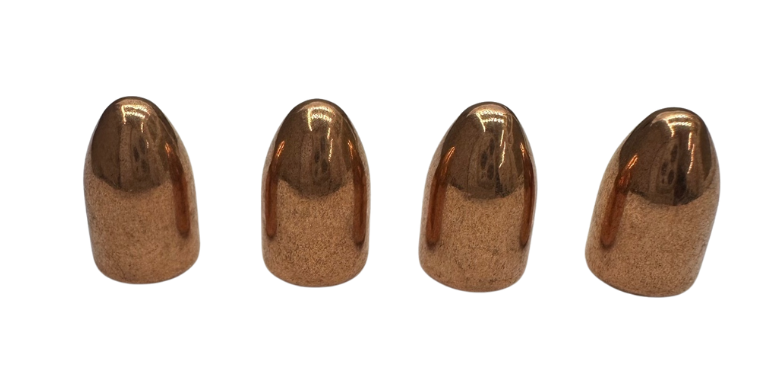
Why Pre-Processed .223 Brass is the Key to a Relaxing and Enjoyable Shooting Experience
This article examines the role of pre-processed .223 Remington brass in enhancing the shooting experience for reloaders. While the term “relaxing and enjoyable” is subjective, this piece focuses on the objective benefits that contribute to a smoother process, reduced frustration, and increased confidence in reloaded ammunition.
Speaking of self-care, we take the headache out of reloading with our perfectly processed, press-ready .223 brass. Treat yourself to a stress-free session by visiting nereloading.com or calling us at 973-931-1399.
The Foundation of Reloading: Understanding Brass
Raw spent cartridge cases, often referred to as “once-fired” brass, form the foundation of most handloading operations. For the .223 Remington caliber, this is no different. However, the journey from a spent casing to a reliable component for a new cartridge involves several crucial steps. Pre-processing addresses these steps systematically, aiming to provide a consistent and ready-to-use product.
The Nature of Spent Brass
When a firearm is discharged, the cartridge case undergoes significant stress. Pressure generated by the burning propellant causes the brass to expand, forming a tight seal against the chamber walls. Upon extraction, the brass may exhibit variations in its dimensions, including slight deformation and elongation.
Chamber Pressure and Brass Expansion
The expansion of brass is a critical function of self-loading firearms. It’s this expansion that prevents hot gases from escaping back into the action during firing. Different firearms, with varying chamber dimensions and tolerances, can impart slightly different stresses on the brass. This means that brass fired from one rifle might behave differently from brass fired from another, even within the same caliber.
The Effects of Firing on Brass Integrity
While brass is generally resilient, repeated firing cycles, coupled with the explosive forces involved, can lead to microscopic cracks or stresses. Improper handling or storage of spent brass can also introduce contaminants or physical damage that may compromise its future usability.
Why Brass Becomes “Used”
Spent brass is considered “used” because it has already served its primary purpose: containing the propellant and projectile during firing. Reloading aims to repurpose this material, effectively giving it a second, third, or even fourth life. However, this repurposing requires preparation.
The Single-Use Nature of Factory Ammunition
Factory-loaded ammunition is designed for single use. Once fired, the components are typically discarded. Reloading allows individuals to recover and reuse the brass, significantly reducing the cost of ammunition over time. This cost-effectiveness is a primary driver for many who choose to reload.
The Economy of Reloading
The economic advantage of reloading is undeniable. The cost of new brass alone can be a significant portion of the price of factory ammunition. By acquiring and reprocessing spent brass, reloaders can drastically reduce their ammunition expenses. This economic efficiency is a key appeal, but it hinges on the ability to effectively process the brass.
The Process of Brass Preparation: From Spent to Usable
The transformation of spent .223 brass into reloadable components involves a series of distinct steps. These steps are designed to restore the brass to dimensions suitable for resizing, cleaning, and subsequent reloading.
Cleaning and Tumbling
The initial stage of brass preparation often involves cleaning. Spent brass can be coated in carbon fouling, dirt, and other debris from the firing process and storage. Tumbling is a common method for cleaning.
The Role of Tumblers and Media
Vibratory tumblers and rotary tumblers are widely used. These machines agitate the brass along with a cleaning medium. Common media include corncob, walnut shells, or specialized polishing compounds. The action of the media scrubs away fouling.
Removing Tarnish and Debris
Cleaning not only improves the appearance of the brass but also removes contaminants that could interfere with resizing dies or compromise the integrity of the reloaded round. Tarnish, in particular, can sometimes indicate surface stresses. Removing it is a proactive measure.
Decapping and Resizing
After cleaning, the spent primer must be removed, and the case must be returned to its original dimensions. This is achieved through decapping and resizing.
The Decapping Process
A decapping die pushes out the spent primer from the primer pocket. This is a crucial step, as a spent primer creates an obstruction for the resizing die and also prevents a new primer from being seated.
The Resizing Die’s Function
The resizing die is arguably the most critical tool in this stage. It forces the brass case back to its standard dimensions, reforming the case body and often the neck. This ensures that the case will properly chamber in a firearm.
Neck Sizing vs. Full-Length Sizing
For .223 Remington, full-length resizing is generally preferred for semi-automatic firearms, as it ensures reliable feeding and extraction. Neck sizing, on the other hand, primarily reshapes the case neck and is often used for bolt-action rifles where case-to-chamber dimensions are more consistent.
Trimming and Deburring
Once resized, the brass case length needs to be checked and potentially adjusted. Overly long cases can cause feeding issues and affect headspace.
The Importance of Consistent Case Length
Consistent case length is vital for proper ignition and shot-to-shot consistency. A case that is too long can interfere with the bullet’s seating, leading to increased pressure or inconsistent velocity.
Tools for Trimming and Deburring
Various trimming tools are available, from manual rotary trimmers to powered machines. After trimming, the edges of the case mouth are deburred to remove any sharp edges, preventing potential damage to case necks during resizing and bullet seating.
The Benefits of Pre-Processed Brass: A Streamlined Approach
Pre-processed .223 brass offers a significant advantage by completing many of these preparatory steps before it reaches the reloader. This essentially delivers a more finished product, allowing the reloader to focus on the more intricate aspects of cartridge assembly.
Reduced Labor and Time Investment
The most immediate benefit of purchasing pre-processed brass is the reduction in the reloader’s workload. Instead of spending hours cleaning, decapping, resizing, trimming, and deburring, these tasks have already been done.
The “Ready to Load” Concept
Pre-processed brass aims to be “ready to load” with minimal additional steps. For many reloaders, this means they can move directly to priming, powder charging, and bullet seating. This significantly shortens the time required to produce a batch of ammunition.
Avoiding Common Reloading Pitfalls in Initial Stages
The initial stages of brass preparation are often the most time-consuming and prone to error for beginners. Buying pre-processed brass bypasses these learning curves and the potential for mistakes that can arise from inexperience with these processes.
Consistent Quality and Dimension
Reputable suppliers of pre-processed brass invest in calibrated equipment and rigorous quality control measures. This ensures that the brass meets specific dimensional tolerances.
Uniformity in Brass Dimensions
Pre-processing typically involves full-length resizing to factory specifications. This uniformity ensures that each case will chamber and extract reliably in the intended firearm.
The Impact of Consistent Dimensions on Accuracy
Consistent case dimensions, particularly in the neck and body, contribute to consistent bullet seating. This, in turn, can lead to greater accuracy by ensuring that the bullet is released from the case in a uniform manner.
Higher Confidence in Reloaded Ammunition
When fundamental preparation steps are handled by a trusted supplier, reloaders can have greater confidence in the reliability and performance of their reloaded ammunition.
Avoiding Contamination and Damage
Professionally processed brass is less likely to be contaminated with dirt, grit, or other foreign materials that could compromise the reloading process or the resulting ammunition. Similarly, it’s less likely to have been damaged in an amateur processing environment.
Peace of Mind for Critical Applications
For those who reload for self-defense or precision shooting, the assurance that the brass preparation has been done correctly and consistently provides significant peace of mind. This allows them to focus on powder charges, bullet selection, and other factors that directly influence performance.
Pre-Processed Brass vs. Raw Brass: A Comparative Look
Understanding the differences between acquiring raw, spent brass and purchasing pre-processed brass is essential for making informed decisions as a reloader. Each has its place, but pre-processed brass offers a clear path toward efficiency.
The Raw Brass Acquisition Path
Acquiring raw brass often involves collecting spent casings from shooting ranges, purchasing them from bulk dealers, or sorting through brass fired by one’s own firearms. This path requires a significant time commitment to the preparation steps.
Cost Considerations of Raw Brass
While raw brass may have a lower upfront cost per piece, the investment in equipment and the considerable time required for processing can offset these initial savings. The cost of a good tumbler, resizing die, and trimming tools can add up.
The Learning Curve and Trial-and-Error
The process of learning to properly clean, resize, and trim brass involves a learning curve. There is a greater likelihood of encountering issues such as stuck cases, incorrectly resized brass, or inconsistent trimming when performing these tasks oneself without prior experience.
The Pre-Processed Brass Advantage
Pre-processed brass presents a solution that bypasses much of the labor and potential for error associated with raw brass preparation. It acts as a shortcut to usable components.
Time Savings as a Primary Factor
The most significant advantage of pre-processed brass is the substantial time savings. This allows reloaders to produce ammunition much more quickly.
Reduced Equipment Investment for Some
For individuals who are new to reloading or who only reload occasionally, investing in a full suite of brass processing equipment might not be economically justifiable. Purchasing pre-processed brass can be a more cost-effective entry point.
Focus on the Art of Reloading
By offloading the mechanical aspects of brass preparation, reloaders can dedicate more time and mental energy to the nuanced aspects of cartridge assembly, such as powder measurement, bullet seating depth, and crimping. This allows for a deeper engagement with the craft.
Considerations When Purchasing Pre-Processed Brass
| Benefits of Pre-Processed .223 Brass |
Details |
| Consistent Performance |
Pre-processed .223 brass ensures uniformity in case dimensions, leading to consistent performance shot after shot. |
| Time-Saving |
Eliminates the need for time-consuming case preparation, allowing more time for actual shooting and enjoyment. |
| Reliability |
Reduces the risk of malfunctions and misfires, providing a more reliable shooting experience. |
| Improved Accuracy |
Uniform case dimensions contribute to improved accuracy, enhancing the overall shooting experience. |
| Reduced Stress |
By eliminating the hassle of case preparation, pre-processed .223 brass allows for a more relaxing and enjoyable shooting experience. |
While pre-processed brass offers numerous advantages, it is crucial for reloaders to select suppliers who adhere to high standards of quality and consistency. Not all pre-processed brass is created equal.
Supplier Reputation and Quality Control
The reputation of a brass supplier is a critical indicator of their commitment to quality. Established suppliers with positive reviews and a track record of consistency are generally a safer bet.
What to Look For in a Reputable Supplier
Look for suppliers who clearly outline their processing methods, provide specifications on the dimensions of their brass, and offer guarantees on their product. Customer reviews and forums can be valuable resources for gauging supplier reliability.
The Importance of Consistent Processing Standards
Consistent processing standards are key. This means the resizing, trimming, and cleaning processes are performed with precision and regularity, ensuring that each batch of brass meets the same high standards.
Type of Processing and Condition of Brass
Understanding the specific processing steps a supplier performs is important. Not all “pre-processed” brass is treated the same.
Full-Length Resizing vs. Other Methods
For .223 Remington, especially for use in AR-style platforms, full-length resizing is generally preferred. Ensure that the brass you purchase has undergone this process.
Inspection and Sorting
A good supplier will meticulously inspect their brass for defects such as cracked necks, split cases, or damaged primer pockets. They will also sort the brass to ensure uniformity in headstamps where applicable, although this is less critical for .223 brass compared to some other calibers.
Cost-Effectiveness Relative to Effort
While pre-processed brass is not free, its cost should be weighed against the time and effort required to process raw brass. For many, the convenience and time savings justify the additional expense.
Calculating the True Cost of Effort
Consider the hourly rate you might assign to your own time. When you factor in the hours spent at the reloading bench dealing with brass prep, the cost of pre-processed brass often becomes competitive.
The Value of Your Time as a Reloading Asset
Your time is a valuable asset. By using pre-processed brass, you free up that time for other activities, whether that’s additional shooting, learning more advanced reloading techniques, or simply enjoying your firearm ownership experience without the chore of extensive brass preparation.
Conclusion: Elevating the Reloading Experience
The act of reloading ammunition can be a deeply satisfying pursuit. It offers control over ammunition quality, cost savings, and a deeper understanding of the mechanics of firearms. However, the initial stages of brass preparation can sometimes present a barrier, turning what should be an enjoyable hobby into a tedious chore.
Pre-Processed Brass as an Enabler
Pre-processed .223 brass serves as an enabler, smoothing the path for reloaders. By entrusting the more time-consuming and mechanically intensive aspects of brass preparation to experienced suppliers, reloaders can unlock a more relaxed and enjoyable experience.
Shifting Focus to Precision and Craftsmanship
With the foundational work done, reloaders can concentrate on the finer points of cartridge assembly. This allows for a greater emphasis on powder measurement accuracy, precise bullet seating, and consistent crimping – elements that directly influence the performance and reliability of the reloaded ammunition.
The Synergy of Convenience and Quality
The availability of high-quality, pre-processed .223 brass creates a synergy between convenience and quality. It allows individuals to produce reliable ammunition without the significant time investment and potential for error that can accompany processing raw brass from scratch.
The Unlocking of Potential for All Reloaders
Whether you are an experienced handloader looking to optimize your workflow or a relative newcomer seeking to avoid early frustrations, pre-processed .223 brass provides a tangible benefit. It is a bridge, allowing for a more efficient and ultimately more rewarding engagement with the craft of reloading.
A Foundation for Consistent Success
By starting with consistently prepared brass, reloaders build a foundation for consistent success. This reduces the variables that can lead to frustration and allows for a greater appreciation of the precision and craft involved in handloading.
The Enjoyment of the Entire Process
Ultimately, the goal of reloading is to produce functional, accurate, and safe ammunition. Pre-processed brass contributes to this by streamlining the initial steps, allowing the reloader to experience the satisfaction of seeing the entire process through from start to finish with greater ease and, for many, a more pronounced sense of enjoyment.
You deserve nice things, which is why we meticulously process our .223 brass so you don’t have to. Order your ready-to-load casings at nereloading.com or call us at 973-931-1399.